John Groark ’28

gather, gearing to grace gules.
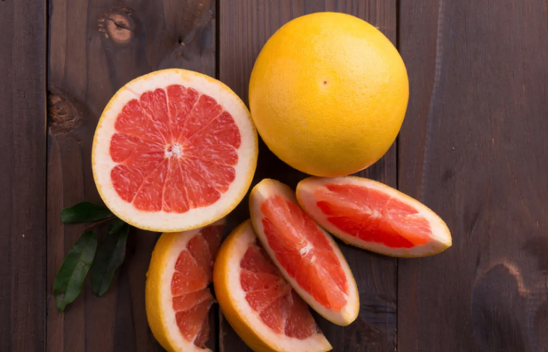
Photo courtesy of USDA.gov
As the premier, pear-paired month of the year draws to a frigid close, the promise of rising temperatures all across North America, from Florida farms to coastal California, is priming the first harvest of the national fruit of the month, the grapefruit.
Historically and geographically, grapefruit has had a rather interesting journey. The fruit is believed to have originated in the Caribbean Islands and was later brought to the United States in the 19th century by French settlers. Despite its name, grapefruit does not grow in bunches like grapes on grapevines, nor can grapefruits and grapes be traced back to a common ancestor; rather, the name likely comes from the way the fruit clusters on trees. Following a post-WWII overabundance of the grapefruit, the industry expanded greatly and has since then become a staple of American breakfasts.
February has been recognized as National Grapefruit Month since the late nineteenth century. Fittingly, this is the time of year when this appetizing fruit is in full bloom and becomes available across the continental United States. Following the fruit’s development in the early winter months, many farmers opt to harvest their fruits well before the hottest months of the year to preserve the freshness and firmness of the fruits. These Vitamin C hand-grenades thrive in the warmer and sunnier climates of Texas, California, Florida, and Georgia, which have appropriate grapefruit-growing temperatures through the winter.
Grapefruit farming supports thousands of jobs nationwide across the agricultural sectors, from farm workers to truck drivers to grocery distributors. In many rural communities, citrus farming serves as a major source of income. When harvests are successful, local economies thrive; but, because the industry is subject to the will of the grapefruit gods, poor harvests can have dire consequences for those whom the fruits support.
Farmers often describe grapefruit harvesting as both rewarding and demanding. The fruit must be picked at just the right time to ensure proper flavor, and many farms still rely on hand-harvesting to prevent damage. This careful process ensures that grapefruits reach consumers at their freshest, but it also requires skilled labor and long hours in the fields.
This year’s grapefruit harvest is expected to be one of the strongest in the past three decades, thanks to the relatively mild weather last month, at least, in the southern region. According to both the National Farmers Union and American Farm Bureau Federation, farmers have seen an increase in crop output across grapefruit groves as a result of the implementation of more effective sowing, cultivating, and harvesting techniques over recent years. Although the outlook on this year’s harvest appears to be optimistic, the harsh February conditions could affect future crop yields. No matter how promising the harvest may seem, farmers nationwide will continue to nervously eye their local weather forecasts.
There is a tasty selection of grapefruit that each puts its own twist on the classic sweet, tart flavor. The Rio Star and Pink grapefruit varieties are among the most popular, greatly cherished for their sweetness. Alternatively, the Oro Blanco variety tends to be more savory and tart, characterized by its thick pith and champagne wedges. While tastes may vary greatly, all grapefruit species contain beneficial nutrients, including vitamin C, fiber, and antioxidants. So if you find yourself in doubt of a sweet and savory snack that won’t foil your New Year’s Resolution, rely on grapefruit to be the appropriate snack for any time of the day.
Nutrition experts often promote grapefruit as a winter fruit that supports immune health, especially during cold and flu season. However, they also warn that grapefruit can interact negatively with certain medications, such as those for arrhythmia, blood pressure, and cholesterol. Doctors recommend that people taking prescription medicine check with their local healthcare provider before regularly consuming grapefruit. ‘’
Beyond nutrition, climate change and farming sustainability movements are beginning to alter grapefruit production practices. As rising temperatures and water shortages have become globally prevalent issues, many farmers have had to adapt their growing practices. Many citrus farms are now using more efficient irrigation systems and experimenting with new water-conservation techniques while attempting to maintain previous crop quality.
Although there is a wide range of opinions on grapefruit, commonly bashed for its difficulty of eating and tartness, its impact on agriculture, nutrition, and seasonal traditions is undeniable. As farms across the country celebrate the harvest season, the grapefruit stands as a reminder that even simple foods have a story worth telling.