Vivian Cook ’27

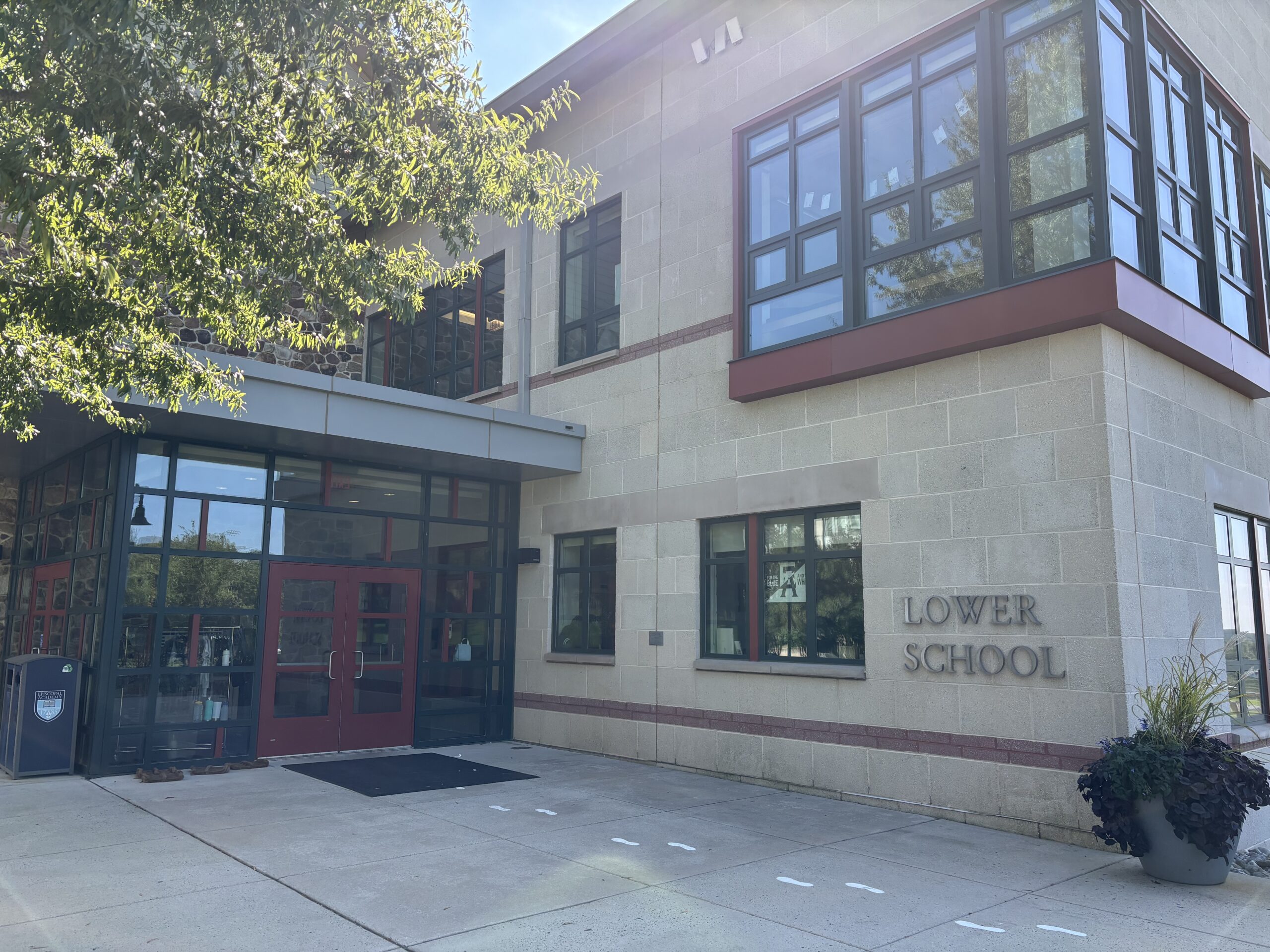
Beginning this school year, Lower School students will be able to experience an updated layout that includes a new Pre-K wing and the shuffling of the location of the science classrooms. Because of these summer renovations, the incoming class of pre-kindergarten students will be the largest in EA history.
Episcopal is notorious for being a highly competitive school, and, as a prestigious institution, there has always been a limited capacity. As a result, beginning as early as Pre-K, there is fierce competition for these coveted spots.
The previous Pre-K wing was only able to accommodate 34 students, and when the jump to kindergarten occurred, there were a total of 72 spots. A large reason for the renovations was to close this gap, and now, with the new Pre-K wing, EA is able to accommodate 54 Pre-K students. Head of Lower School Terry Malone, emphasized this development, sharing, “Enrollment has dramatically changed. We have a beautiful new space for our little ones, and we got more of them.”
For members of the community this advancement to the Lower School may have seemed to have happened in the blink of an eye but the process took time, and many members of the EA community worked together to ensure they met the needs of every student, teacher, and faculty member affected. Children around 4-5 years old are at an incredibly fragile stage of life, where every little thing around them can impact their upbringing. Episcopal considered this heavily when curating plans for a space that embodied play, hands-on learning, and collaboration. “Looking at what would be better, where do we want to put cubbies, all those kinds of things,” Greville Haslam Head of School Dr. T.J. Locke, shares. Additionally, Locke emphasized that EA’s dedicated team was “monitoring the construction all summer long,” and that they have been “very, very busy.”
Moreover, Pre-K is where the Episcopal journey, academic and beyond, begins. It’s also the place where students are introduced to the community. Pre-K teacher Beth Varga shared her perspective on how important this stage of life is, saying, “Sometimes when you look at a tree or look at a plant, you see the beautiful flowers, you see the foliage, but you might not always think of how it started, which is the soil and the roots.” This message serves as a reminder of the importance of fostering the needs of every student, and supports the update to how Episcopal runs the earliest stages of learning.
These changes also have effects far beyond just the Pre-K students. One important consideration when renovating was the flow of the school as a whole. In planning the changes, the staff worked hard to ensure the rest of the school was not disrupted and that learning and navigating remained easy for students. Among the changes to facilitate this was the construction of new science classrooms on the third floor, giving students other than just the Pre-Kers a change of scenery and a taste of the new and improved. “We’re trying to figure out where things should go, and the students have been great. They have ideas, which is kind of nice because they’re living in the space as we’re kind of unpacking it,” Lower School Science Teacher Catherine Bennett said, echoing how important it is for everyone to have a role in this change, as going through it alone can be an adjustment, but doing it together will strengthen the community.
The renovations were a product of countless hours of meetings between a wide ranging array of staff members. Blueprints had to be produced, and plans created in a way to allow construction to be completed in 3 months. Fortunately, they were able to execute the plan successfully and unveil major changes to the Lower School.