
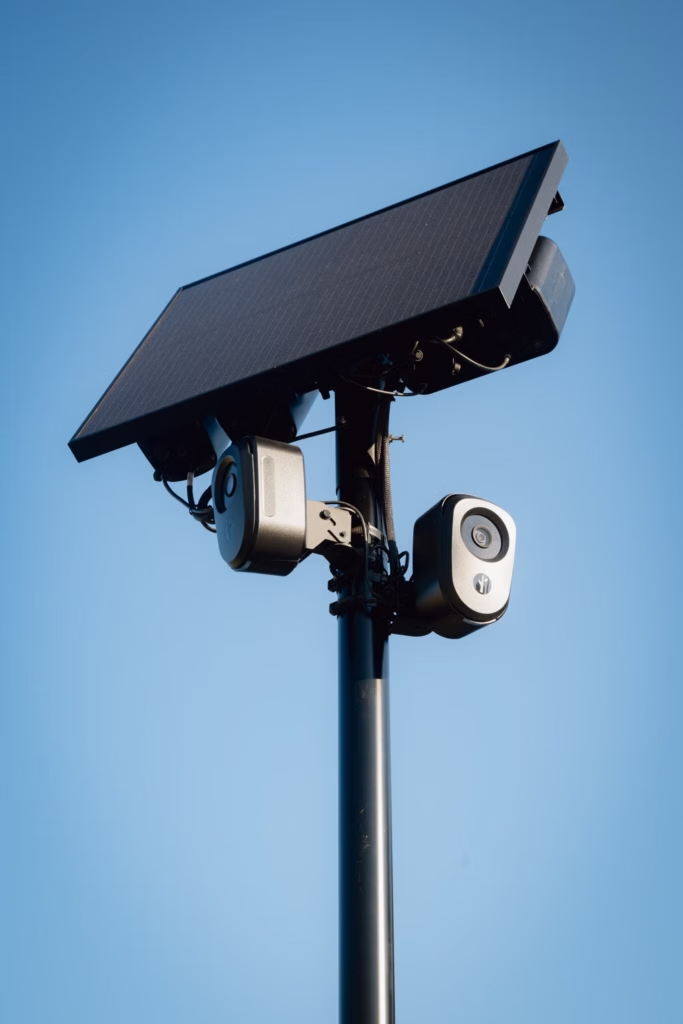
Photo courtesy of The New York Times
In 213 BCE, Emperor Qin Shi Huang consolidated imperial power by burning philosophical and historical works. In Orwell’s 1984, the Ministry of Truth rewrote history by controlling the records. In 2026, we are rediscovering fire. This time, nothing needs to be destroyed or rewritten–only blocked by a jolly, wire-nibbling gnome.
“Looks like this page isn’t allowed.” As Orwell famously wrote, “Ignorance is strength.” An online history textbook, a cultural cuisine guide, a naked statue for Art History, a statistic from the very mental health issues Securly is designed to protect us from.
As a student body, we cannot allow our view of the world to be limited within the borders of an AI startup that does not know how to differentiate between pornography and a ceramic Tlatilco figurine from 600 BCE—especially not one which collects private data and sells it to third parties. A 2023 class action lawsuit from California found that Securly tracks students’ locations, search habits, and private messages to help third parties target advertisements to the same demographic. On their own website, they state that device usage and information is shared or sold to ad networks. Each search we make is no longer a pursuit of knowledge, but a token of commercial interest.
It doesn’t stop at computers. When I leave campus, 117 local Flock cameras from Marple to Radnor track my every move. Yes, the MacBooks are owned by the Academy; it’s ultimately their right to decide how private property is regulated, even if we disagree with its implications. But Flock cameras are different. First manufactured by Flock Safety in 2017, the cameras were advertised as a way to promote traffic safety: they document information such as license plate numbers and vehicle characteristics. Though the intentions behind these cameras may be to help limit crime and solve troubling cases, there have been numerous issues with the devices. In one instance, a woman by the name of Lindsay Isaacs spent 13 days in jail after a Flock camera misidentified her car as one involved in a fatal car accident that killed three people. Despite never even being at the scene of the crime, she was facing life in prison. Additionally, The Washington Post reported that authorities have accused or charged at least 50 law-enforcement officers with using the cameras for “unauthorized purposes,” including stalking women without their knowledge or consent. Oftentimes, this abuse of technology has led to violent confrontations, deep-seated paranoia, and intense trauma. Although many of these officers have been fired, prosecuted, or received prison sentences, others are still permitted to have access to Flock technology within their departments. How is the technology supposed to protect people being used in such invasive and harmful ways? How are women supposed to report their stalkers to the police when their stalker may be the police? Flock reports that those who misuse their cameras only make up a small percentage of their total users, but these instances are more than enough to cause concern.
Moreover, this level of intimate surveillance is not limited to the higher-ups; we’ve even equipped the average consumer with their own little slice of surveillance. Marketed towards youth as the new era of Kardashian techno-chic and memory-making, Meta’s glasses pose significant privacy concerns to individuals everywhere—especially women. Traditionally, the problems the glasses pose are minimally regulated: although they can easily record others without their consent, they indicate that a recording is occurring by flashing a white light in the corner of the frame. Recently, however, new developments in the industry have made this feature essentially pointless; both with the sheer amount of glasses present in an average area as well as through the complete removal of the light feature. By way of popularization, the glasses are advertised and updated constantly, with one of the biggest endorsers of the technology being Kylie Jenner. Want to get your questions answered by your favorite reality TV star? That is no problem now, as, according to The Guardian, Meta’s AI promises that the glasses will give “every response in Kylie’s voice.” Through the bolstering of such marketing ideas, and the consequent increase in sales, one is objectively surrounded by more of these potentially invasive glasses. On that same note, these Meta glasses are becoming more and more outrightly invasive: businesses such as “Ghost Metas” have the sole purpose of removing the recording indication in the frame. One man who works for such a company reported to The Guardian that he has made close to 100 pairs, and each only takes him about 15-20 minutes to complete. When asked if his actions were immoral in any way, he stated “In public, I don’t think we have privacy any more, period,” and that his “argument is if you’re really worried about your privacy, don’t go outside.”

KAREN’S DRIVE: Flocks cameras dot the map from Marple to Radnor.
Photo courtesy of flockcameralocations.com
So what does belong to me? Not my curiosity, my location, or my image. Developing a mature understanding of society and history demands a willingness to contend with the uncomfortable. Put plainly, Securly is a protective measure, and by extension, it is a censorship service. If we cannot learn to wrangle with the past, how do we expect our generation to confront a radically dangerous era of technology and ethical decisions that ultimately will fall into the rigorously educated class that the Academy prides itself on producing? The very people restricted from “sensitive” content in our classrooms will be the ones at the forefront of historic decisions—how AI will be regulated, how we’ll reconcile the partisan divide in the US government, how bodily autonomy can be interpreted legally—and if students don’t begin to reckon with this now, when? Big Brother is watching, and Episcopal Academy stands by.